Insights
Back to InsightsPoplin vs Twill vs Oxford: Choosing the Right Shirting Fabric
March 2026 · 5 min read
Quick Answer
Poplin = formal + lightweight + smooth
Twill = wrinkle-resistant all-rounder + soft drape
Oxford = casual + textured + durable
Keep reading for the full breakdown — or skip to the comparison table.
If you're sourcing shirting fabric — whether for your own brand, a retail collection, or contract manufacturing — the weave you choose matters as much as the cotton itself. Poplin, twill, and oxford are the three most common shirting weaves in the world, and each one looks, feels, and performs differently.
This guide breaks down exactly what sets them apart, so you can pick the right fabric for your next order with confidence.
What Makes Them Different?
All three can be made from 100% cotton. The difference isn't the fibre — it's how the yarns are woven together. That weave structure determines the fabric's texture, weight, breathability, wrinkle resistance, and formality.
Think of it this way: same cotton, three completely different shirts.
Poplin
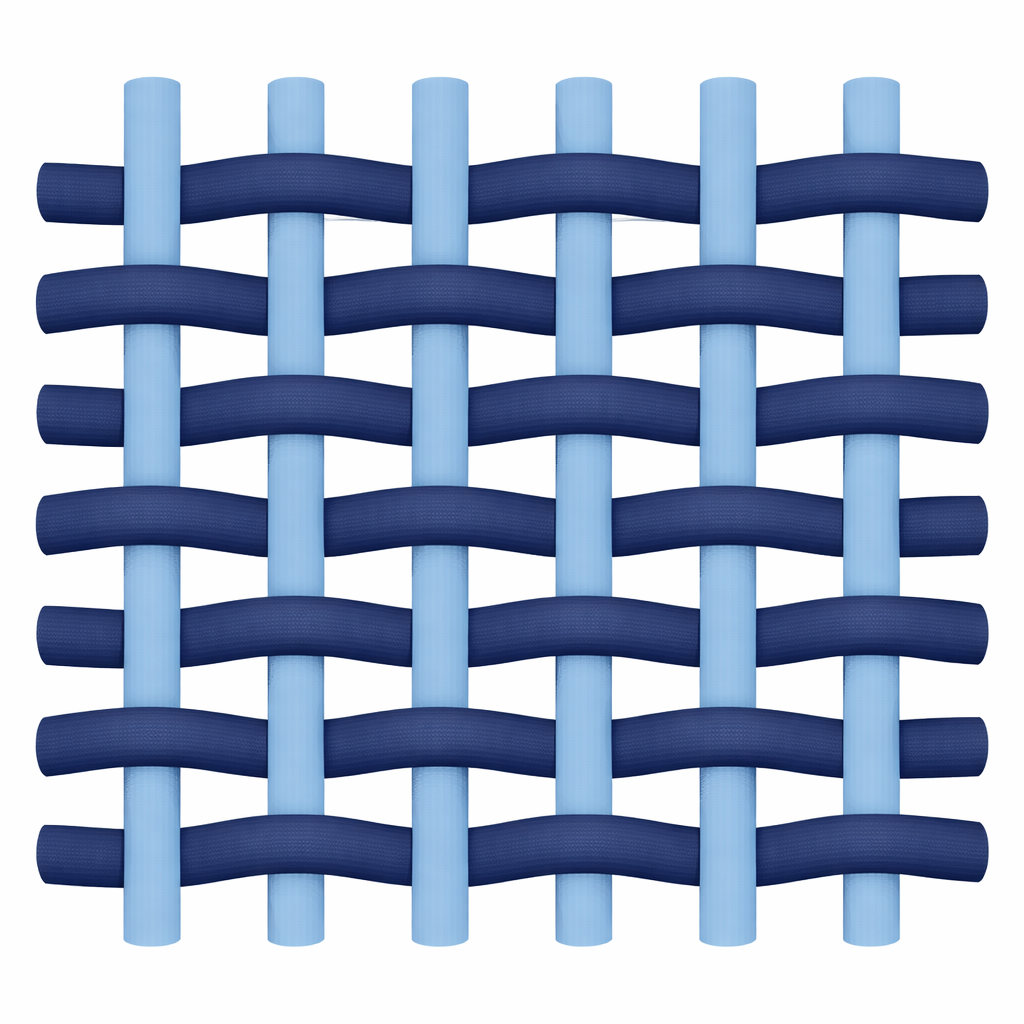
Poplin (also called broadcloth) uses a simple plain weave — one weft thread crosses over one warp thread, alternating evenly. This creates an extremely smooth, flat surface with a subtle sheen.
Key characteristics:
- Weight: Lightweight (typically 90–120 GSM)
- Texture: Smooth, crisp, almost silky
- Breathability: High — the lightest of the three
- Wrinkle resistance: Low — poplin creases easily but irons out quickly
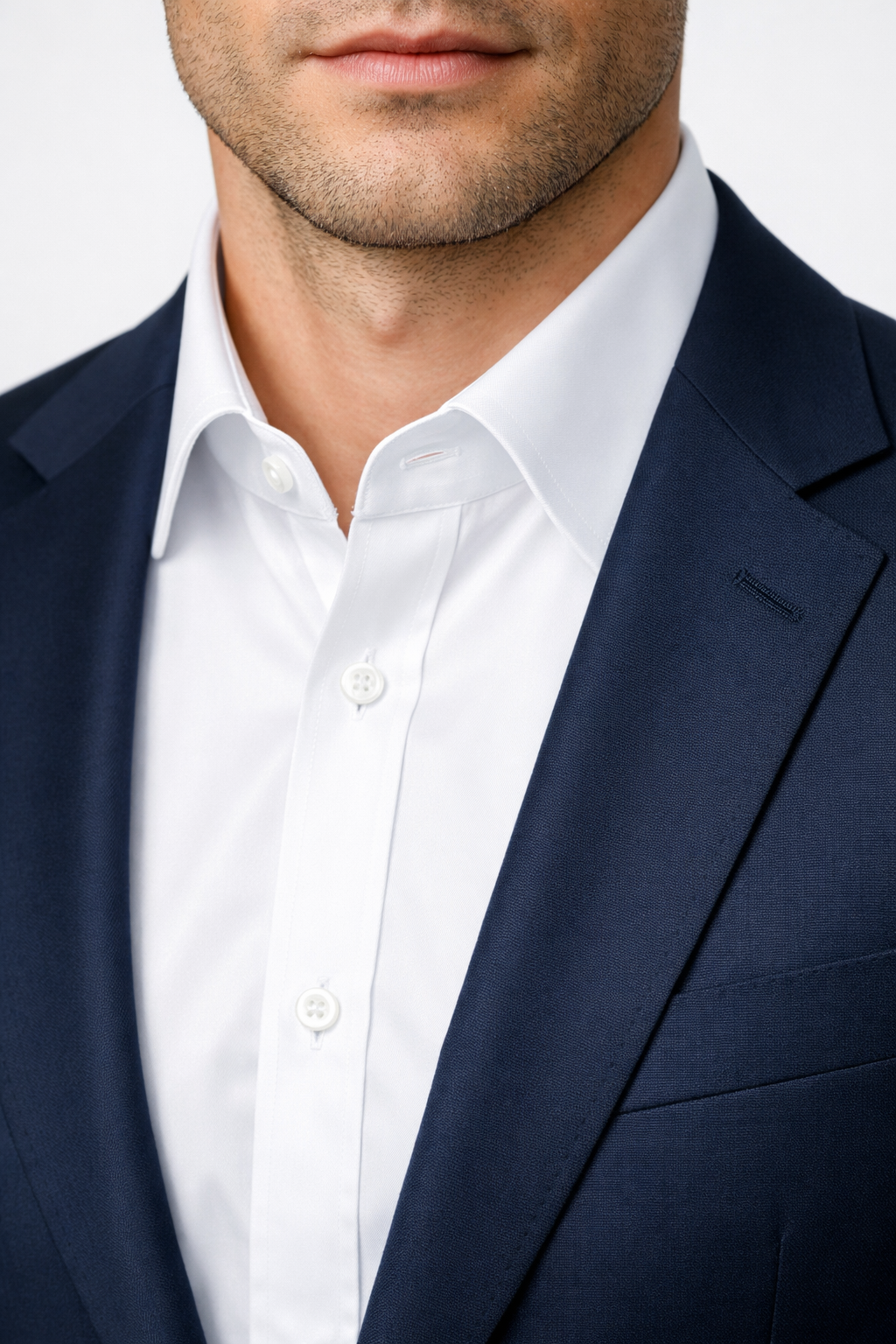
- Formality: High — the classic dress shirt fabric
- Opacity: Can be slightly sheer in lighter weights, especially in white
Best for: Formal dress shirts, business shirts worn under suits, warm-weather shirting, and any application where a clean, polished appearance matters.
What buyers should know: Poplin quality varies enormously depending on yarn count. A 40s poplin feels rough and basic. An 80s two-ply poplin feels refined and luxurious — even at the same GSM. Always specify yarn count alongside weight when ordering.
Twill
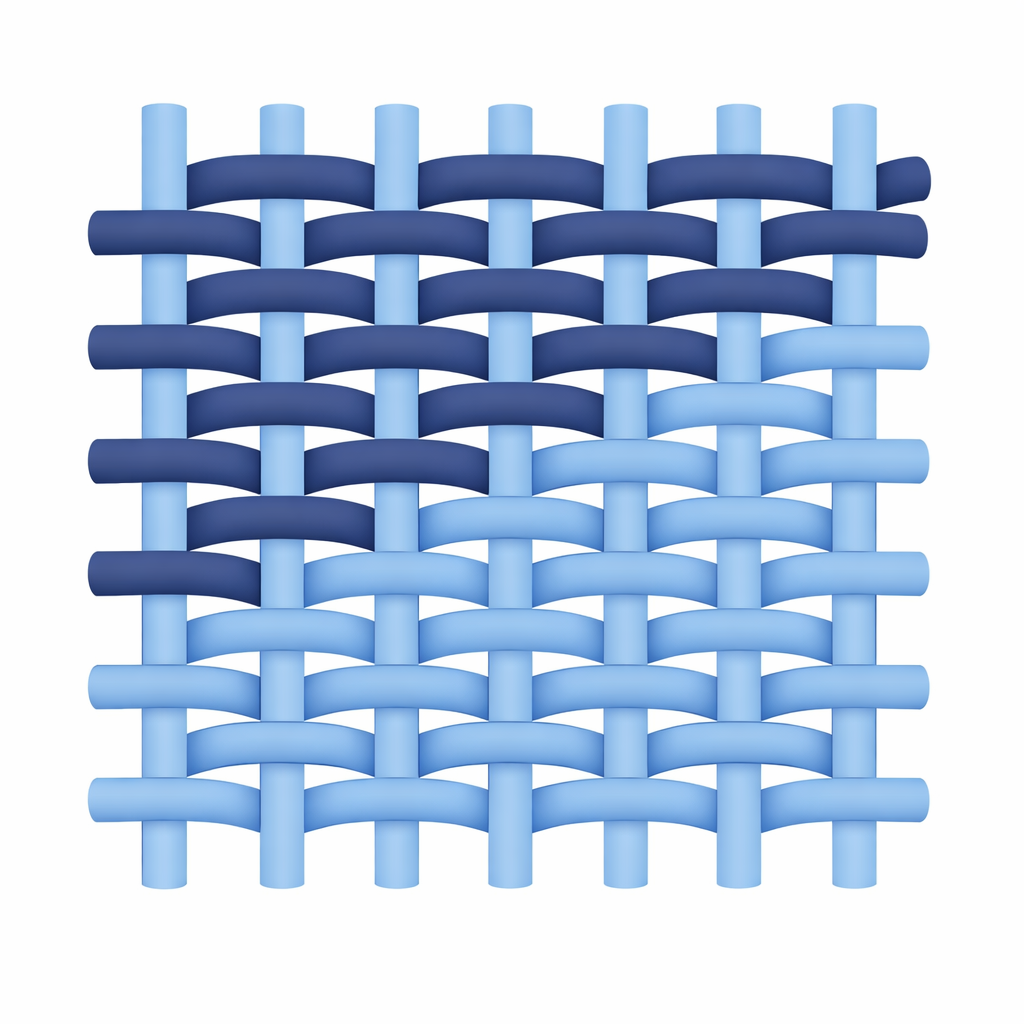
Twill is woven by passing each weft thread over two or more warp threads, shifting one position each row. This creates the distinctive diagonal ribbed pattern visible on the fabric surface.
Key characteristics:
- Weight: Medium (typically 110–140 GSM)
- Texture: Soft, with visible diagonal lines at roughly 45 degrees
- Breathability: Moderate — denser than poplin
- Wrinkle resistance: High — the diagonal structure helps the fabric recover from creases naturally
- Formality: Medium to high — versatile across business and smart-casual
- Opacity: Good — rarely see-through
Best for: Everyday business shirts, travel shirts (resists wrinkles on the go), cooler-weather shirting, and any shirt that needs to look good all day without ironing.
What buyers should know: Twill's wrinkle resistance is a major selling point for retail brands targeting professionals. It also drapes more fluidly than poplin, giving shirts a slightly more relaxed, luxurious feel. The diagonal pattern adds visual interest even in solid colours.

Oxford
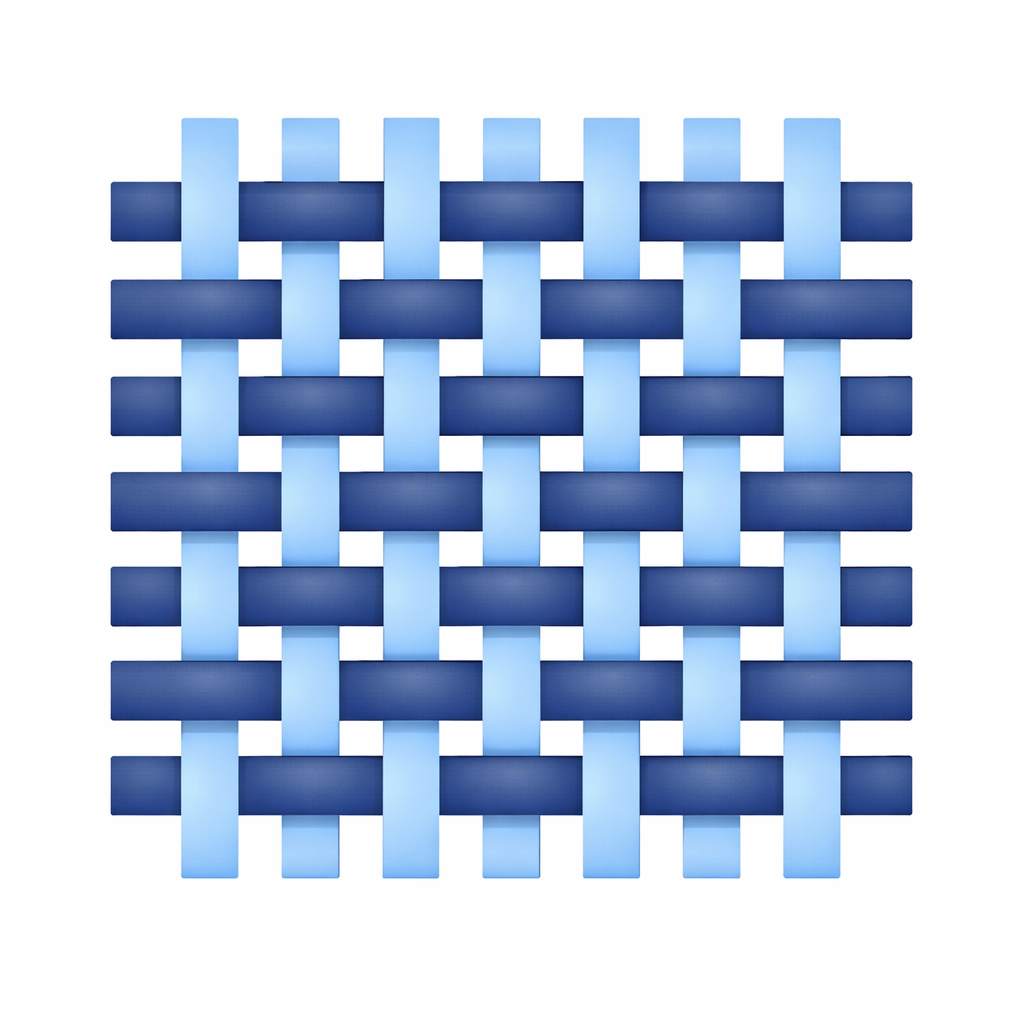
Oxford cloth uses a basket weave — typically two weft threads crossing over two warp threads. Often, a coloured weft is woven against a white warp, creating that characteristic two-tone, slightly heathered appearance.
Key characteristics:
- Weight: Medium to heavy (typically 130–160 GSM)
- Texture: Visibly textured, slightly rough, casual
- Breathability: Moderate — thicker but the looser weave allows airflow
- Wrinkle resistance: Moderate — more forgiving than poplin, less than twill
- Formality: Low to medium — inherently casual
- Opacity: High — the thickest of the three, never see-through
Best for: Button-down casual shirts, smart-casual wear, weekend shirts, and any brand targeting a relaxed, approachable aesthetic.
What buyers should know: Oxford has a loyal following — it's the fabric behind the iconic button-down collar shirt. The texture softens beautifully with washing, which means the shirt improves over time. Pinpoint oxford (a finer variation using a tighter weave) bridges the gap between oxford and poplin if you need something more refined.

Side-by-Side Comparison
| Poplin | Twill | Oxford | |
|---|---|---|---|
| Weave | Plain (1×1) | Diagonal (2×1 or 3×1) | Basket (2×2) |
| Weight | Light (90–120 GSM) | Medium (110–140 GSM) | Medium-Heavy (130–160 GSM) |
| Texture | Smooth, flat | Diagonal ribs | Textured, slightly rough |
| Breathability | |||
| Wrinkle resistance | |||
| Formality | |||
| Opacity | Can be sheer | Good | Excellent |
| Best season | Summer | Year-round | Autumn/Winter |
| Ironing | Needs ironing | Minimal | Minimal |
Which One Should You Source?
The answer depends on what you're making and who you're selling to.
If you're producing formal or business dress shirts: Start with poplin. It's the industry standard for a reason — clean, professional, and works in every market.
If you need an all-rounder that travels well: Twill is your safest bet. The wrinkle resistance alone makes it the go-to for brands selling to professionals.
If your brand is casual or heritage-focused: Oxford gives you that relaxed, textured character that can't be replicated with the other two weaves.
If you want to offer range: Stock all three. Many shirt brands offer the same style in poplin, twill, and oxford to cover formal, business, and casual occasions. It's the simplest way to triple your collection without designing new shirts.
A Note on Yarn Count
The weave gets all the attention, but yarn count is what separates a cheap shirt from a premium one — regardless of weave.
- 40s–50s: Basic, durable, suitable for uniforms and value-range shirts
- 60s–80s: The sweet spot for quality retail shirts — smooth, refined, durable
- 80s two-ply to 100s two-ply: Premium range — noticeably softer, with elegant drape
- 120s and above: Luxury territory — beautiful but delicate
A 60s twill will outperform a 40s poplin in both look and feel, even though poplin is considered the "dressier" weave. The yarn matters.
Ready to Compare Them in Person?
Reading about fabric only gets you so far. The real difference is in the hand feel — how the fabric drapes, how it catches light, how it responds to touch. Complimentary swatch cards are available for qualified trade enquiries and can usually be dispatched the same business day after requirements and courier details are confirmed. Courier charges are normally paid by the buyer.